_7e26c7c2.png)
The Retention Revenue Formula: How Automated Patient Communication Keeps Chiropractic Practices Growing
Acquiring a new patient costs 5 to 7 times more than retaining an existing one. Automated communication is the retention engine most chiropractic practices are leaving idle.
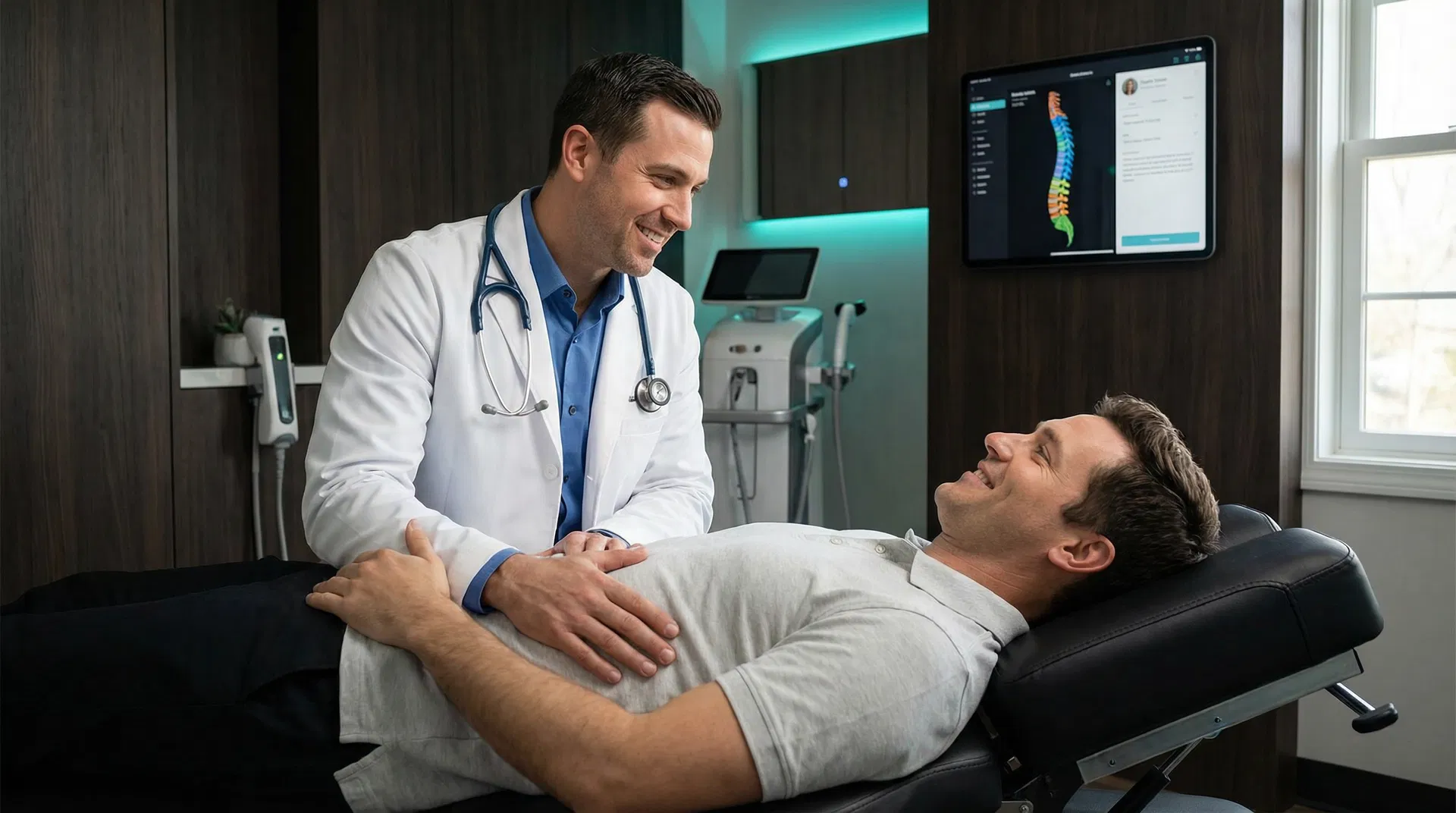
The Retention Gap in Chiropractic
The most expensive problem in chiropractic practice is not the cost of marketing to new patients — it's the cost of losing existing ones before they complete their care plan. Industry data suggests that the average chiropractic practice retains fewer than 40 percent of new patients through a full course of care. The remaining 60 percent drop off — often not because they're dissatisfied, but because life got in the way and no one followed up.
This is the retention gap, and it represents the single largest untapped revenue opportunity in most chiropractic practices.
Why Patients Drop Off (And What Communication Can Do About It)
Research on patient dropout in chiropractic consistently identifies the same root causes: patients feel better and assume they no longer need care, they forget to reschedule, they feel uncertain about the value of continued treatment, or they simply get busy and the practice doesn't reach out.
Notice that none of these reasons are about the quality of care. They are all communication failures — failures that automated patient communication systems are specifically designed to prevent.
The Anatomy of an Effective Patient Communication System
An effective patient communication system for a chiropractic practice operates across the entire patient lifecycle, from the moment of booking to long after the active care plan ends.
Appointment reminders are the most basic function — but even here, the details matter. Reminders sent 48 hours before the appointment via text message (the channel patients overwhelmingly prefer) reduce no-show rates by 30 to 50 percent compared to practices that rely on phone calls or no reminders at all.
Post-visit follow-ups check in on how the patient is feeling after treatment, reinforce the care plan rationale, and provide an easy pathway to reschedule. These messages, sent automatically 24 to 48 hours after a visit, dramatically improve case completion rates.
Recall campaigns re-engage patients who have lapsed — those who haven't been in for 30, 60, or 90 days. A well-crafted recall message that acknowledges the gap, reminds the patient of their care goals, and makes it easy to rebook converts a significant percentage of lapsed patients back into active ones.
Two-way messaging allows patients to ask questions, request appointment changes, and communicate with the practice without calling — the communication channel that patients, particularly younger demographics, most want to avoid.
The Financial Impact of Communication Automation
The ROI of patient communication automation in chiropractic is among the highest of any technology investment a practice can make. Consider a practice with 200 active patients and an average visit value of $65. If improved communication reduces the no-show rate by 20 percent and improves case completion by 15 percent, the annual revenue impact can easily exceed $30,000 — for a tool that costs a fraction of that.
More importantly, these gains compound. A patient who completes their care plan is far more likely to return for maintenance care, refer family and friends, and leave a positive online review. The lifetime value of a retained patient is many times the value of a single course of care.
Why Integration with the EHR Is Essential
Patient communication tools that operate independently of the EHR are limited in what they can do. They can send generic reminders, but they can't personalize messages based on the patient's specific care plan, their progress toward treatment goals, or their appointment history.
When communication is integrated with the EHR, personalization becomes automatic. A patient who is on visit 8 of a 12-visit plan receives a different message than one who just completed their first visit. A patient whose outcome scores show significant improvement receives reinforcement of their progress. A patient who has been seen for a specific condition receives educational content relevant to their situation.
This level of personalization is what separates communication that patients engage with from communication they ignore.
The most expensive problem in chiropractic practice is not the cost of marketing to new patients — it's the cost of losing existing ones before they complete their care plan.
See How Pryme Practice Brings It All Together
Everything discussed in this article — AI documentation, integrated billing, patient communication, BlueIQ analytics — is live in Pryme Practice today. Book a free 30-minute demo and see it in action.